Exports: Crude Oil, Fuel Oil, and Civilian Aircrafts.
Friday, February 25, 2011
Brazil's Top Imports and Exports
Imports: Civilian Aircraft Parts, Computer Accessories, and Organic Chemicals.


Monday, February 7, 2011
Brazil's Two Largest Cities
SAO PAULO
POPULATION: APPROX. 11.2 MILLION

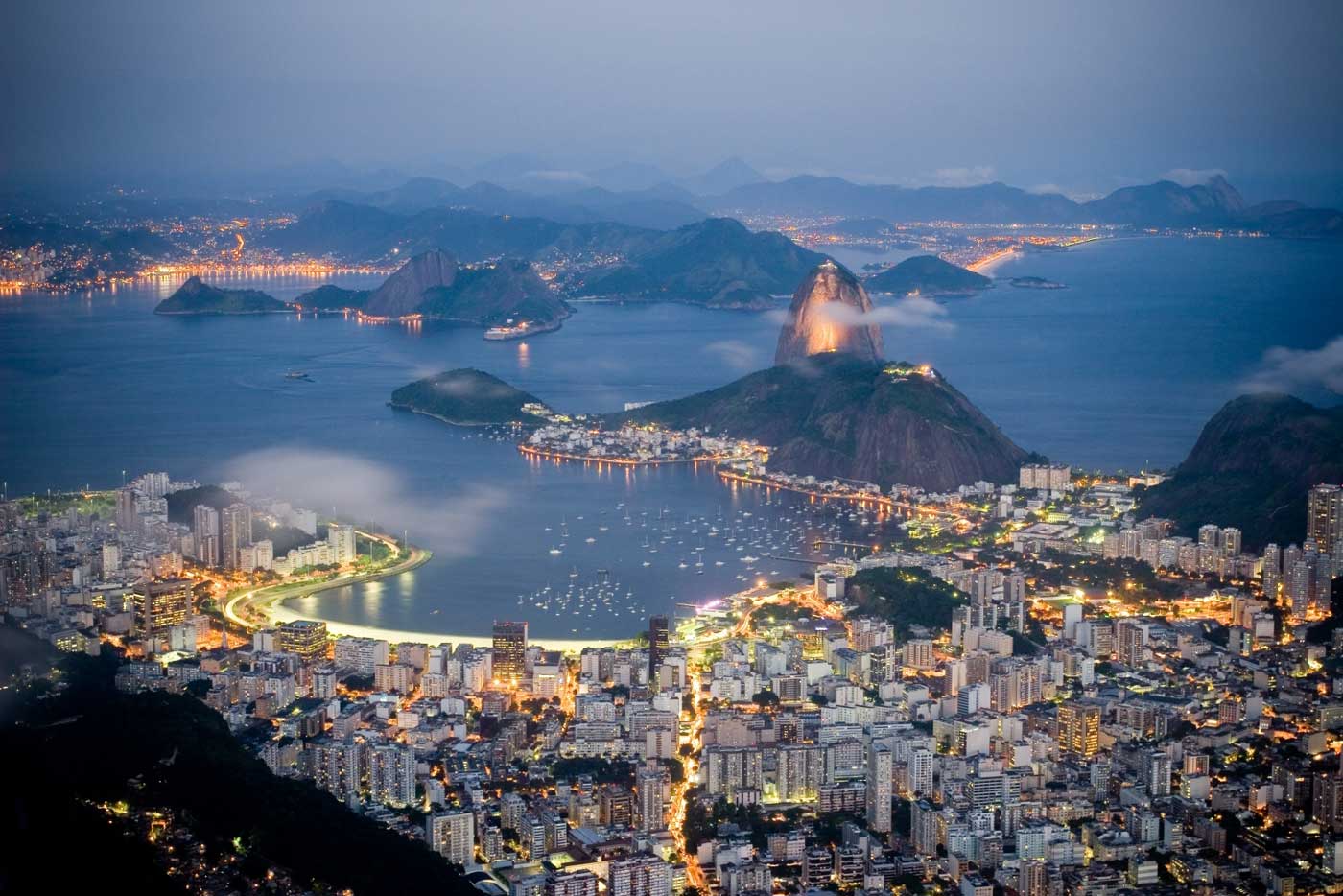
RIO DE JANEIRO
POPULATION: APPROX. 6.3 MILLION
Geography/Economic Geo
The climate and geography of Brazil is vast; the "Amazon River system carries more water to the ocean than any other river system in the world" (Rosenburg). The basin and Amazon jungle are home of the most rapidly diminishing rainforest in the world. Sixty percent of Brazil is covered by the rainforest, which is why the country is very humid and has a tropical/subtropical climate. While most of the country has a wet climate, the eastern highlands and plateaus suffer from frequent droughts. The highest point in the Brazilian highlands is Pico de Nablina, whose summit is at 9888 feet.
The most populous state of Brazil is Sao Paulo and Rio de Janeiro, the cultural and international transportation capital, is the second; however, the capital is Brasilia. The population of Sao Paulo has "doubled since 1977" and continues to grow. Sao Paulo also retains half of Brazil's GDP and two-thirds of the country's manufacturing. Roughly a third of the world's coffee production comes from Brazil. The country is also known for its citrus, cattle, iron ore, and sugar cane production, although the chief industry of Brazil is automobile production.
Rosenburg, Matt. "Geography of Brazil." Web.
Subscribe to:
Posts (Atom)